Composite or timber? It is the first real decision most people wrestle with when planning a new deck, and it shapes everything that follows. Both give you a lovely spot to sit out, entertain and enjoy the garden, yet they age very differently and can cost very different amounts once you tot up boards, frame and fitting. Choose well and you will be pleased with it every summer for a decade or more. Choose badly and you could be sanding, oiling and swapping out boards far sooner than you bargained for.
This guide puts composite decking and timber side by side — on cost, lifespan, upkeep, appearance, grip underfoot and their green credentials — so you can work out which suits your space, your budget and how much maintenance you are honestly prepared to take on.
The short answer
Want the least maintenance and happy to spend more at the outset? Composite is usually the stronger long-term bet. Want the lowest purchase price, a natural look and you do not mind an annual clean and oil? Timber is hard to beat. Everything below simply helps you decide which of those trade-offs matters most to you.
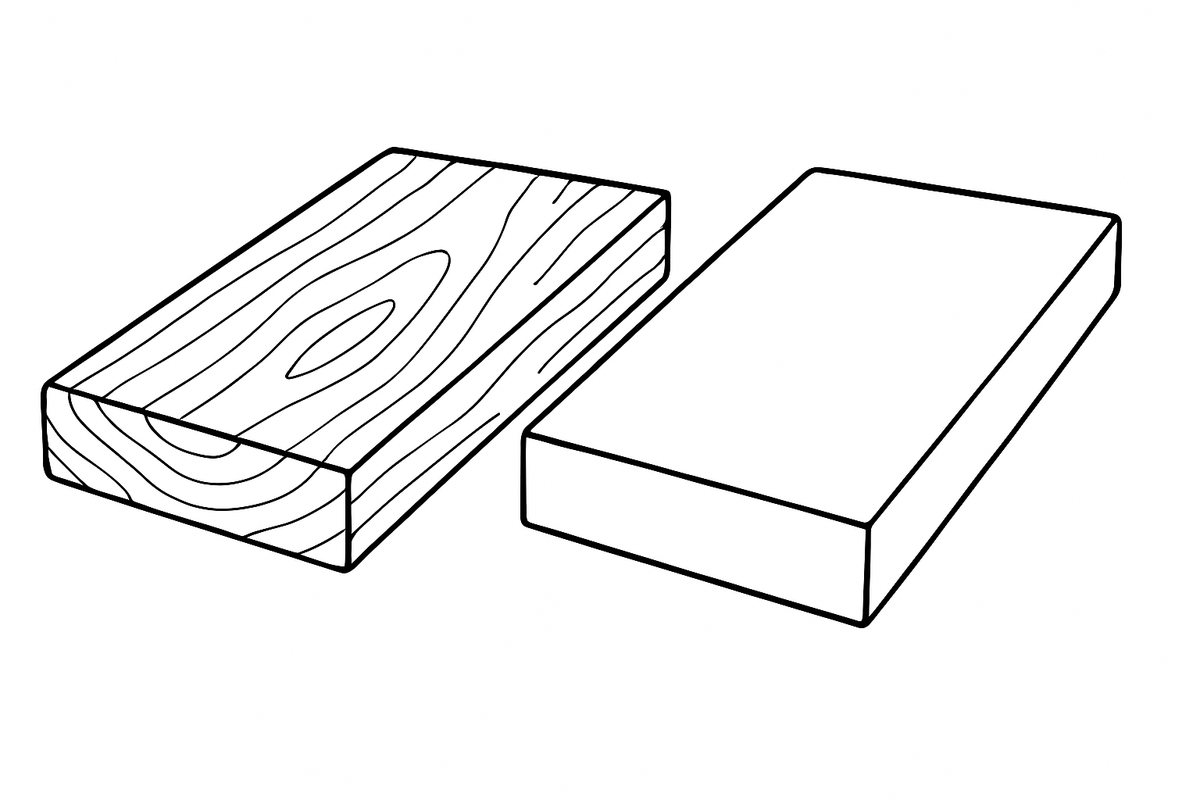
What are we actually comparing?
It pays to be precise about the materials, because both "timber" and "composite" cover a spread of products.
Timber decking
- Softwood — usually pressure-treated pine or spruce. The cheapest and most widely used option. It needs regular treating to keep its looks and reach its full lifespan.
- Hardwood — dense timbers such as balau, ipe or oak. Much tougher and more handsome than softwood, but noticeably dearer and heavier to work with.
Composite decking
- Wood-plastic composite (WPC) — boards pressed from a blend of recycled wood fibres and recycled plastic. This is what most people picture when they say "composite decking".
- Capped composite — a WPC core wrapped in a tough polymer shell. That cap holds off fading, marking and scratching far better than an uncapped board, and it is what we would steer most customers towards if they go composite.
- Hollow vs solid — hollow-core boards are lighter and cheaper; solid boards are heavier, stronger and better suited to busy areas and steps.
You may also come across aluminium decking, which is fire-rated and hard-wearing but sits at a premium price and is rare in domestic gardens, so we will stick with the two mainstream choices.
Cost: outlay now vs spending over time
Composite nearly always costs more to buy than softwood timber. That gap shrinks against quality hardwood, and it can vanish altogether once you add up years of treatment products and the hours spent applying them.
As a rough steer, for boards alone you can typically expect somewhere in the region of £20–£45 per square metre for pressure-treated softwood, £45–£90 per square metre for decent composite, and £70–£130-plus per square metre for premium hardwood or capped composite. Those are material-only figures. A fully fitted deck — frame, groundwork and labour included — usually lands somewhere around £120–£250 per square metre depending on the boards, access to the garden and how much levelling the site needs.
The important caveat is that these numbers swing widely with board quality, garden shape and ground conditions, so treat them as a starting frame of reference, not a fixed price. For a fuller breakdown of what drives the final figure, see our guide on how much decking costs in the UK.
Two things worth keeping in mind on cost:
- Composite front-loads the spend. You pay more on day one, then very little afterwards.
- Timber spreads the spend. Cheaper to install, but budget for ongoing oil or stain, cleaners and the occasional replacement board.
Lifespan and durability
This is where composite tends to pull ahead. A well-built, well-kept softwood deck typically lasts around 10–15 years before boards start needing replacement, and hardwood can comfortably pass 20. Quality capped composite is usually rated for 25 years or more, and because it will not rot, cup or throw up splinters, it tends to stay looking presentable far longer with barely any effort.
Timber's chief enemies are moisture, sunlight and insects. Left untreated, softwood can rot, cup and turn grey in just a few seasons. Composite shrugs off rot and will not feed mould the way damp wood does — though, and this matters, it is not maintenance-free, and no decking on earth stays clear of a slippery green film if it is never washed.
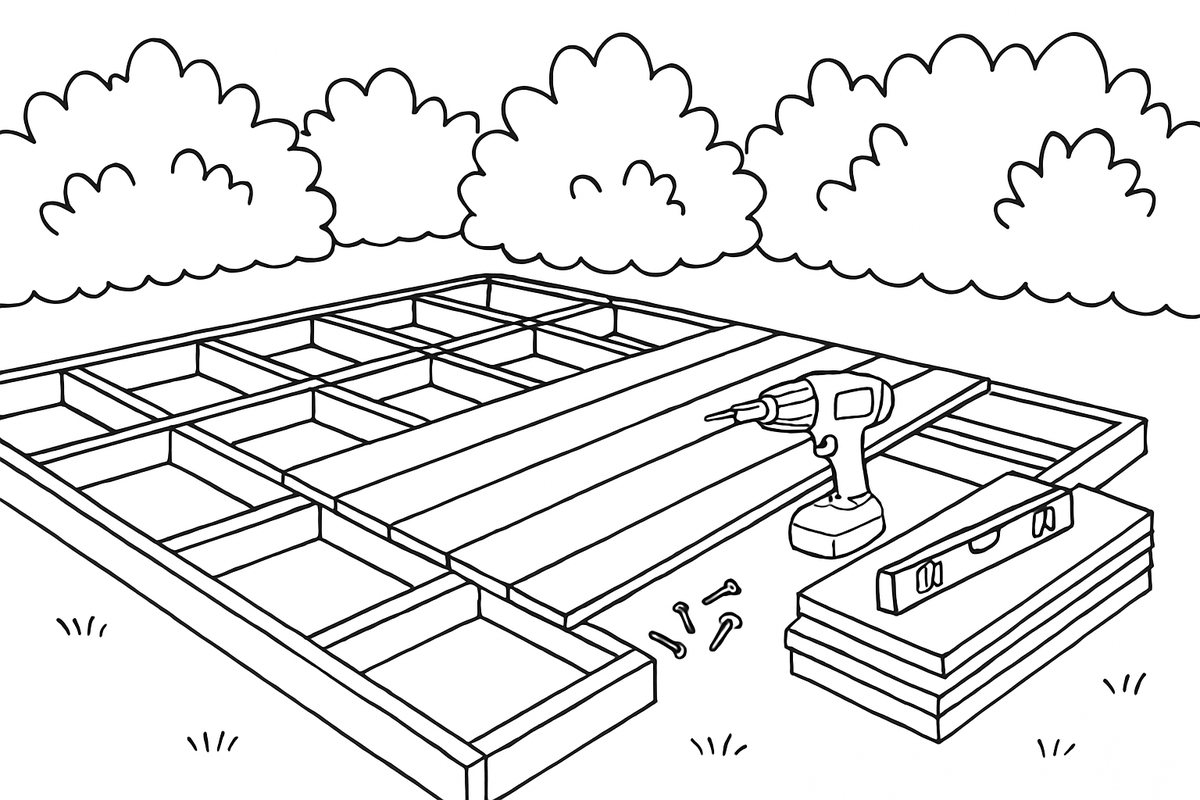
Whichever you pick, the frame beneath it matters enormously. A deck is only as sound as its joists and the ground prep under them. Cut corners on the substructure and even the finest boards will let you down. Our step-by-step on how to build garden decking covers getting that frame right.
Maintenance: the real decider for most people
Be straight with yourself about how much upkeep you will genuinely do — for many households, that one honest answer settles the whole question.
Timber upkeep
- Sweep it often and give it a proper clean at least once or twice a year.
- Re-apply decking oil or stain, typically every one to two years, to fend off water and sun and keep the colour rich.
- Sand back any rough patches, sink any proud nails or screws, and replace the odd split board as the years go on.
Composite upkeep
- Sweep off leaves and give it the occasional wash with warm soapy water or a purpose-made composite cleaner.
- No oiling, staining or sealing — ever.
- Wipe up spills reasonably promptly on uncapped boards; capped boards see off most marks on their own.
Remember that composite is "low-maintenance", not "no-maintenance". It still gets grubby, and in shady, damp corners it can grow the same green algae timber does. The difference is that you are only ever cleaning it — never refinishing it. For the full routine on either material, our guide on cleaning and maintaining decking walks through it, including when to reach for oil versus stain on timber.
Appearance and design
Looks are personal, so this one really comes down to taste.
Timber gives you genuine wood grain that plenty of people simply prefer. Every board is one of a kind, it earns character as it ages, and if you fancy a change you can re-stain it a different shade. The catch is that keeping that fresh look takes ongoing effort, and untreated timber will silver to grey if you let it.
Composite comes in a settled range of colours and woodgrain-effect finishes, from warm honey tones through to contemporary charcoals and slate greys. Today's capped boards look a world away from the plasticky early efforts, and the colour holds, with only gentle fading over the years. What you gain in consistency you give up in the little natural quirks some people love. Composite also warms up more underfoot in direct summer sun, which is worth weighing for a south-facing garden or if children play out barefoot.
Grip and safety
Any decking can turn slippery once it is wet or coated in algae, so do not assume either material is automatically the safer one. That said, many composite boards are made with a textured or grooved surface specifically to improve grip, and because they hold off the algae that makes timber treacherous, they often stay safer for longer with less intervention.
Timber can be made perfectly safe too — grooved boards, anti-slip strips and, above all, regular cleaning to stop that green film taking hold all make a real difference. For a shady deck, or one near a pond, factor grip in from the outset rather than treating it as an afterthought.
Environmental considerations
Neither option is a runaway winner here, and the honest answer is "it depends".
- Timber is natural and renewable, and when it comes from a responsibly managed source it has a genuinely strong case. Look for FSC or PEFC certification. The downsides are the treatment chemicals and softwood's shorter life, which means replacing it sooner.
- Composite is usually made largely from recycled wood and plastic that might otherwise have gone to landfill, and its long life means far fewer replacements over the decades. The counterpoint: it is a manufactured product, harder to recycle at the end of its life, and not biodegradable.
If sustainability sits high on your list, certified timber and recycled-content composite both stack up reasonably — and composite's longer service life is a real environmental plus that is easy to overlook.
So which should you choose?
Pulling it all together:
- Choose composite if you want the least ongoing upkeep, a consistent modern look, dependable grip and the longest lifespan — and you are comfortable paying more up front.
- Choose timber if you want the lowest purchase price, genuine natural grain and the freedom to re-stain — and you are honestly happy to clean and re-oil it on a schedule.
- Choose hardwood specifically if you want natural timber that goes the distance and budget matters less to you than the look and feel of real, premium wood.
There is no universally "best" decking — only the best fit for your garden, your budget and the upkeep you will realistically keep on top of. A south-facing family garden, a shady damp corner and a smart entertaining terrace can each point to a different answer.
Get expert advice for your garden
If you would like a hand weighing up the options for your own space, we are always glad to talk it through — including which boards suit your garden's aspect, drainage and how you plan to use it. Explore our decking, patio and paving services to see how we work, or get a free, no-obligation quote. We cover Cambridge and the wider East Anglia area — call the team on 01223 912222 and we will help you get it right first time.
Frequently asked questions
Is composite decking better than timber?
It depends on what matters most to you. Composite wins on low maintenance, lifespan and grip, and it never needs oiling or staining — but it costs more up front. Timber is cheaper to buy and gives genuine natural grain, but it needs regular cleaning and re-treating to keep its looks and last. For most people who want a fit-and-forget deck, composite is the stronger long-term choice.
Does composite decking get hot in the sun?
Yes. Composite absorbs more heat than timber and can feel noticeably warm underfoot in strong direct sun, darker colours especially. In a south-facing garden, or where children play out barefoot, pick a lighter shade or plan some shade over it. Timber tends to stay cooler underfoot by comparison.
How long does composite decking last compared to timber?
Quality capped composite is typically rated for around 25 years or more and holds off rot, cupping and splintering. A well-kept softwood timber deck usually lasts about 10–15 years, while good hardwood can pass 20. The frame and ground preparation underneath make a big difference to how long either material lasts.
Is composite decking really maintenance-free?
No — it is low-maintenance, not maintenance-free. You never need to oil, stain or seal it, but it still needs sweeping and the occasional wash with warm soapy water or a composite cleaner. In damp, shady spots it can still grow green algae, so it does need cleaning to stay safe and looking its best.
Is composite or timber decking more slippery when wet?
Any decking can be slippery once it is wet or coated in algae. Many composite boards have a textured or grooved surface for extra grip, and because composite holds off the algae that makes timber slippery, it often stays safer for longer. Timber can be made just as safe with grooved boards, anti-slip strips and regular cleaning.
How much does a composite deck cost in the UK?
As a rough steer, composite boards alone typically cost around £45–£90 per square metre, with premium capped boards higher. A fully fitted deck including frame, groundwork and labour usually lands somewhere around £120–£250 per square metre depending on materials, access and site conditions. Treat these as a starting point and get a tailored quote for an accurate figure.