A well-built deck can turn an awkward, sloping or tired garden into a proper outdoor room — somewhere to eat, unwind and entertain from spring right through to autumn. But before you settle on a board colour or a fancy finish, one question tends to come first: what is this actually going to cost?
The honest answer is that it depends. Decking prices swing widely with the material you pick, the size and shape of the deck, how much groundwork the site needs and where you are in the country. This guide sets out realistic UK cost ranges for timber and composite, explains what pushes the final figure up or down, and helps you plan a budget with no unpleasant surprises at the end.
Decking cost at a glance
As a broad guide, a professionally installed deck in the UK tends to work out somewhere between £120 and £300 per square metre fully fitted — that is the boards, the supporting frame, groundwork and labour rolled together. Softwood timber sits at the lower end of that band; quality composite reaches towards the top.
Scaled up to a common project, a modest deck of around 15m² (roughly 3m x 5m) might range from about £1,800 for a simple softwood build to £4,500 or more for a premium capped-composite deck on an awkward site. That is a wide bracket on purpose — the sections below explain exactly what moves you within it.
Timber decking prices
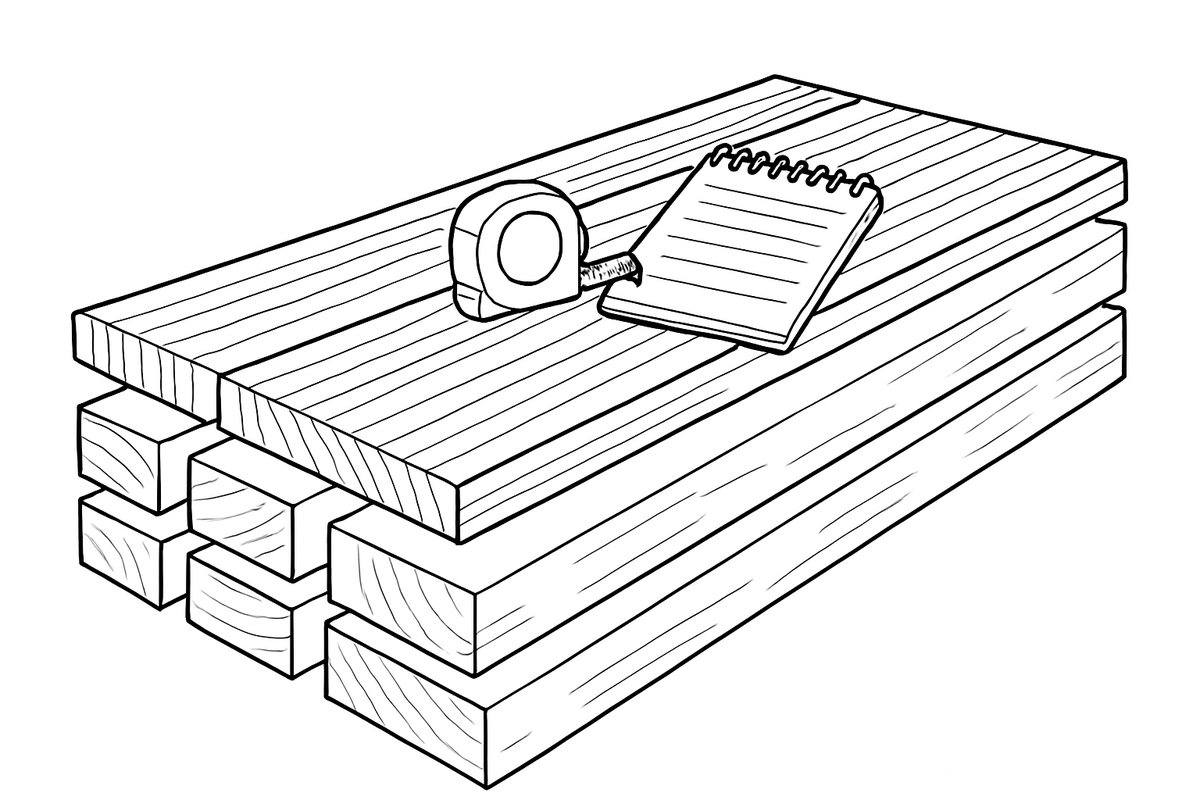
Timber is the traditional choice and still the most affordable way to get a deck underfoot. It falls into two broad camps.
Softwood decking
- Pressure-treated softwood (typically pine or spruce) is the budget pick. As a rough guide, allow around £15–£30 per m² for the boards alone.
- It looks smart when freshly laid and takes stain or oil nicely, but it wants regular upkeep and usually gives you around 10–15 years before boards begin to warp, splinter or rot.
Hardwood decking
- Hardwoods such as balau, ipe or oak are denser, longer-lasting and noticeably more handsome underfoot. Boards commonly run from about £45–£90 per m² and climb higher for the premium species.
- Looked after, hardwood can last 25 years or more, though it still needs periodic oiling to hold its colour rather than weathering to a silvery grey.
Fitted, a softwood deck often lands at roughly £120–£180 per m², while a hardwood deck typically sits nearer £180–£260 per m² once the frame, groundwork and labour are added in.
Composite decking prices
Composite boards are made by binding wood fibres with a durable plastic, usually recycled on both counts, so the finished board mimics timber while shrugging off most of the maintenance. It has become the go-to premium option, and it is what most people have in mind when they look up a composite decking price.
Board prices track the range and grade you choose:
- Entry-level (uncapped) composite: as a guide, roughly £35–£50 per m² for the boards.
- Mid-range capped composite: typically £50–£75 per m². "Capped" simply means the board is sheathed in a tough outer polymer skin that fends off stains, scratches and fading far better than a bare, uncapped board.
- Premium composite: the top ranges can reach £80–£100+ per m² for the boards on their own.
Composite also demands its own hidden clip fixings rather than face screws, and often a compatible sub-frame, both of which nudge the material bill up. Fitted, a composite deck commonly works out at around £180–£300 per m² depending on the range and the site.
What's included in the price? The full breakdown
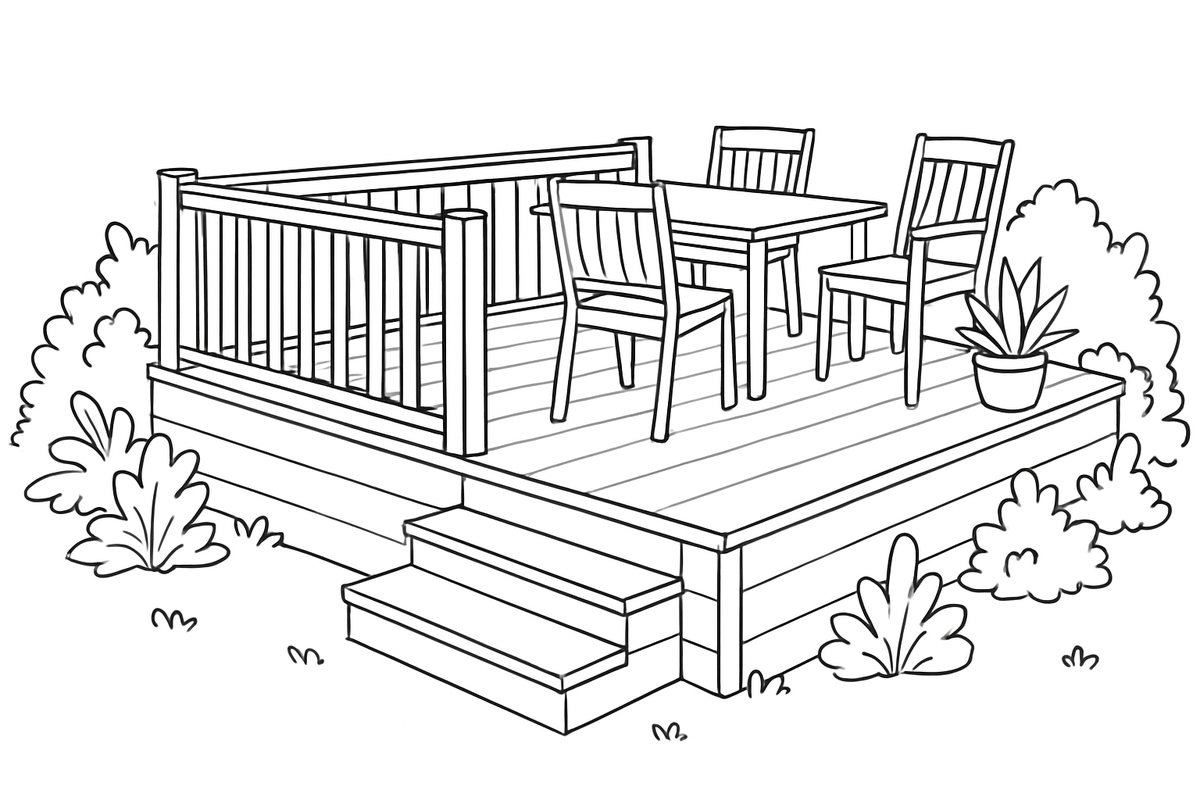
The headline board price you spot online is only ever part of the story. A finished deck is a stack of components, and it pays to know where the money actually goes.
- Boards: the visible surface — timber or composite, as above.
- Sub-frame (joists and bearers): the skeleton that carries the whole deck. Usually pressure-treated timber, though aluminium frames exist for composite. This is no place to economise — a weak frame is the single most common reason a deck bounces or sags.
- Groundwork and footings: clearing and levelling the ground, laying a weed-suppressing membrane, and setting concrete footings or ground screws so the structure sits firm and stays put.
- Fixings and accessories: screws or hidden clips, fascia boards to conceal the frame edge, corner trims and, where needed, edging or a step.
- Labour: usually the biggest single line on a fitted quote. A capable two-person team might spend anywhere from a day to the best part of a week on site, depending on size and complexity.
- Waste removal: skip or grab-hire for spoil and any old decking — easy to forget until it lands on the invoice.
What affects the total cost of your deck?
Two decks of identical size can differ by thousands of pounds. Here is what explains the gap.
Size and shape
Bigger costs more, of course, but a large, simple rectangle is far cheaper per square metre than a small deck riddled with curves, angles, cut-outs around trees or built-in seating. Every corner and change of direction means extra cutting, extra waste and extra hours.
Height and access
A deck lifted off the ground — to meet a raised patio door or to tame a slope — needs a taller, stronger frame, more posts and often balustrades, all of which add to the bill. A raised deck is also more likely to trigger building regulations approval (more on that below).
Groundwork required
Flat, firm ground keeps costs sensible. A slope, soft or waterlogged soil, or the need to strip out an old deck, patio or tree roots first can add real money to the groundwork stage.
Material and finish
As covered above, moving from softwood to capped composite can more than double the material cost — but it also rewrites the maintenance you sign up to over the deck's life.
Extras
- Balustrades, handrails and spindles
- Integrated LED lighting
- Steps and multiple levels
- Built-in benches or planters
- Skirting to close off the space beneath
Where you live
Labour rates run higher in and around London and the South East than across much of the country. Here in Cambridge and the wider East Anglia region, rates tend to sit around the middle of the national picture.
Timber vs composite: which is better value?
The cheapest option on day one is not always the cheapest over ten or twenty years. It is worth weighing the whole-life cost, not just the sticker price.
- Timber is cheaper to fit but needs cleaning, plus re-oiling or re-staining every year or two to keep its looks and slow the rot. Across a decade, those materials and hours quietly mount up.
- Composite costs more upfront but asks little more than an occasional wash with warm, soapy water. Most quality ranges carry warranties of around 20–25 years, and the boards will not splinter, warp or need painting.
A simple rule of thumb: if the lowest possible upfront cost is what matters, treated softwood wins. If you would rather pay a bit more once and then stop thinking about maintenance, composite usually comes out ahead on lifetime value. And if you love the look and feel of real wood and don't mind the upkeep, hardwood is a lovely middle ground. We weigh the two up in more detail in our guide to composite vs timber decking.
Does decking add value to your home?
A tidy, well-built deck can genuinely change how a property feels and shows — it stretches the usable living space out into the garden and gives buyers an obvious spot for outdoor dining. Estate agents broadly agree that attractive, safe outdoor space helps a home appeal to buyers, even if it rarely adds a precise figure to the asking price.
The operative words are well-built and safe. A cheap deck that is already rotting, wobbling or lifting does the opposite and puts buyers off. Quality of installation counts for at least as much as the material you choose.
Do you need planning permission or building regs?
Most garden decking falls under permitted development and needs no planning permission, provided that:
- the deck is no more than 30cm above ground level, and
- together with other extensions and outbuildings, it covers no more than 50% of the garden.
Raised decking, decks that form part of a larger raised platform, or anything on a listed building or in a conservation area may need permission or building regulations approval. The rules also differ in Scotland, Wales and Northern Ireland. If you are in any doubt, check with your local planning authority before you start — a quick call now can save a great deal of grief later.
Can you save money by building it yourself?
A small, ground-level softwood deck on flat, firm ground is within reach of a confident DIYer, and doing your own labour is the single biggest saving on the table. Our step-by-step guide to how to build garden decking walks through the whole job from footings to finish.
That said, some builds genuinely reward a professional. A raised deck, anything over uneven or sloping ground, work near boundaries or drains, or an expensive composite kit you cannot afford to get wrong — these all call for proper experience. A badly built frame is dangerous as well as disappointing, and putting it right often swallows the whole DIY saving.
You can browse all of our decking, patio and paving services if you would rather have the job done properly the first time.
How to get an accurate quote
The ranges above are there to help you budget. The only way to pin down what your deck will cost is a proper site visit and a written quote. When you compare quotes:
- Check each one covers the same specification — material, board range, frame type and groundwork — so you are comparing like with like.
- Confirm whether waste removal and any balustrades or steps are included.
- Ask about the sub-frame material and joist spacing, not just the boards on top.
- Treat a quote that is dramatically cheaper than the rest with caution — it usually means a corner is being cut somewhere you won't see until later.
If you are in Cambridge or anywhere across East Anglia and would like a clear, itemised price for your project, get a free, no-obligation quote from the 1st Builders Cambridge team, or call us on 01223 912222. We are happy to talk through timber and composite options, take a proper look at your garden and give you honest advice on the best approach for your budget.
Frequently asked questions
How much does composite decking cost per m² in the UK?
As a broad guide, composite decking boards tend to cost around £35–£50 per m² for entry-level uncapped ranges, £50–£75 per m² for mid-range capped boards, and £80–£100+ per m² for premium ranges. Fitted complete with a sub-frame and groundwork, a composite deck usually works out at roughly £180–£300 per m², depending on the range and the site.
Is composite decking cheaper than timber?
No — composite costs more upfront than timber, both for the boards and for the installation. It does, however, need almost no maintenance and typically carries a warranty of around 20–25 years, whereas timber needs regular cleaning and re-oiling. Across the deck's lifetime, composite can work out better value despite the higher starting price.
How much does it cost to install a 15m² deck?
As a rough guide, a 15m² (about 3m x 5m) deck might range from around £1,800 for a simple treated-softwood build up to £4,500 or more for a premium capped-composite deck, particularly on raised or uneven ground. The final figure depends on the material, groundwork, height and any extras such as balustrades, steps or lighting.
Do I need planning permission for garden decking?
Most decking is permitted development and needs no permission, as long as it sits no more than 30cm above ground level and, together with other structures, covers no more than 50% of the garden. Raised decking, listed buildings and conservation areas may need permission or building regulations approval, so check with your local planning authority if you are unsure.
Does decking add value to a house?
A well-built, safe and attractive deck can make a property more appealing to buyers by extending the usable living space into the garden and creating an obvious outdoor dining area. Poorly built or rotting decking has the opposite effect, so the quality of the installation matters as much as the material you choose.