A new patio is one of the most rewarding changes you can make to a garden, yet pinning down what it should cost is surprisingly slippery. Two quotes for the same-sized area can look worlds apart, and most of that gap comes down to three things: the paving you pick, the state of the ground you are building on, and how much preparation the job really needs beneath the surface.
This guide sets out realistic UK patio cost ranges for 2026, split by material, by labour and by the extras that quietly add up. Treat every figure as a guide rather than a fixed price. The only way to know what your patio will actually cost is to have someone assess your garden in person, but by the end of this you should understand exactly what you are paying for and where the money goes.
The short answer: patio cost per square metre
Most people want a headline figure, so here it is. As a broad guide, a fully installed patio in the UK tends to land between £90 and £250 per m², materials and labour combined. A modest project in budget concrete slabs sits near the lower end, while a premium porcelain or natural-stone patio with awkward access and full groundwork can climb past the top.
For a typical 20 m² garden patio, that works out to somewhere around £1,800 to £5,000 all in. The range is deliberately wide, because the two patios at either end are genuinely different projects: different slabs, a different depth of preparation, and often very different site conditions.
To see where your own quote will fall, it helps to break the cost into its three moving parts: the paving material, the labour to lay it, and the groundwork underneath.
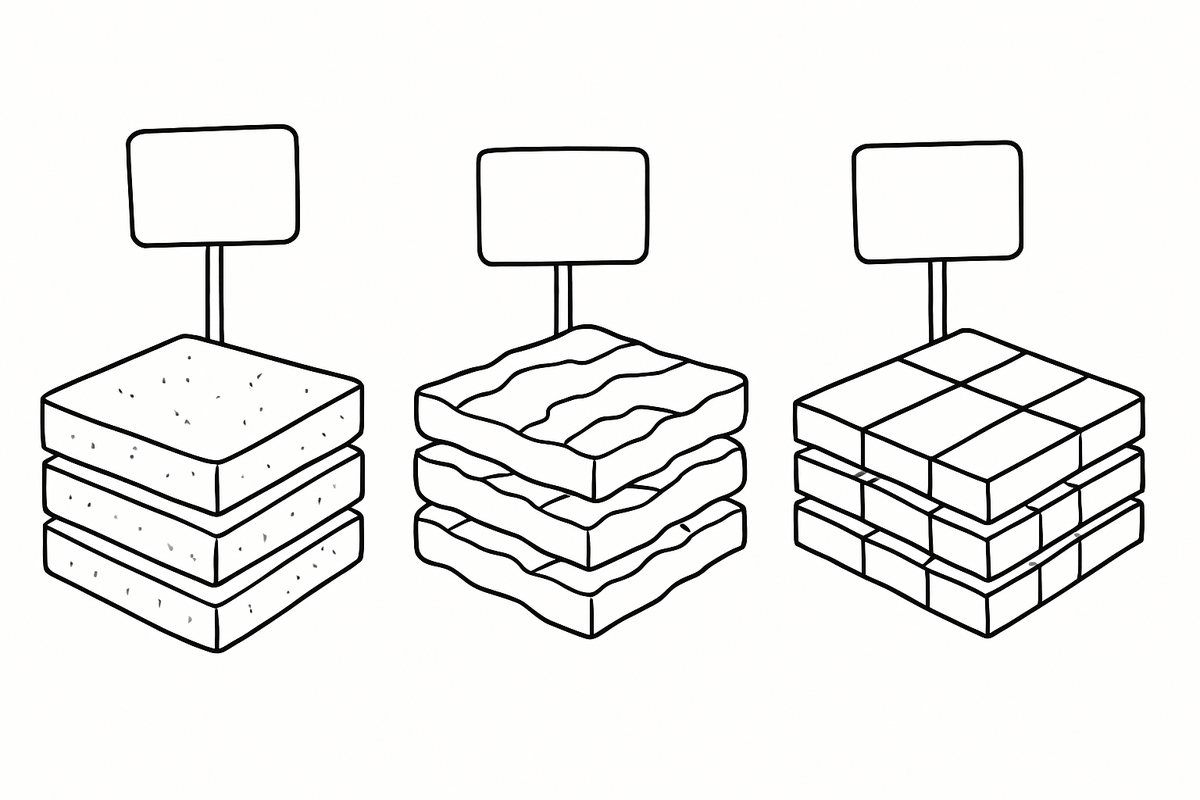
Patio cost by material (per m²)
Your choice of paving is the single biggest lever on price, and the spread between the cheapest and dearest options is large. Below are realistic 2026 guide prices for the material alone, before it is laid:
- Concrete slabs — roughly £15–£40 per m². The budget pick, and much better than it used to be. Modern textured and riven-effect slabs imitate natural stone convincingly for a fraction of the outlay, and this is where the cheapest paving lives.
- Indian sandstone — roughly £25–£45 per m². A long-standing favourite for its warm, natural colour variation at a sensible price. Calibrated (uniform-thickness) sandstone lays faster and more evenly than the older hand-cut kind.
- Limestone — roughly £30–£50 per m². Denser and more even in tone than sandstone, with a smart, contemporary feel, especially in the darker greys.
- Granite — roughly £40–£70 per m². Exceptionally hard-wearing and naturally slip-resistant, with a faint sparkle. It is heavy and hard on cutting blades, which nudges labour up a little.
- Porcelain — roughly £40–£80 per m². The premium modern option. It absorbs almost no water, so it shrugs off stains, frost and algae, holds its colour and rarely needs sealing. It costs more to buy and is slower to lay well.
Don't overlook the smaller consumables that go with the slabs: sub-base aggregate (MOT Type 1), sharp sand, cement, jointing compound and, for porcelain, a priming slurry. Across a full patio these are a real line on the quote, often adding £10–£25 per m² by themselves.
What the labour costs to lay a patio
Labour is a big slice of any patio bill, frequently approaching half the total and sometimes more on smaller or fiddlier jobs. Rather than a fixed day rate, think of it as skilled trade time: most patios keep a small team busy for two to five working days, depending on size, material and how much excavation is involved. The more days on site, the larger the labour share of your quote.
Several things stretch that time out:
- The material itself. Porcelain is the slowest to lay properly. It needs a full mortar bed and a slurry primer on the back of every slab, so it carries more labour than concrete or standard sandstone.
- Cutting and pattern. A plain rectangle in a single slab size goes down quickly. Circles, mixed sizes, borders, inset features or a change of level all mean more cuts and more hours.
- Access. If every barrow-load has to travel through the house or down a tight side passage, the job drags. Clear rear access for a mini-digger and a materials drop makes a genuine difference.
- Spoil removal. Digging out a patio produces a startling volume of waste. Skip hire or a grab lorry is a real cost, typically £150–£350 depending on volume and where you are.
A good installer prices the whole job, not just the slabs you can see. When a quote looks suspiciously cheap, the saving has usually come out of the part you can't: the base.
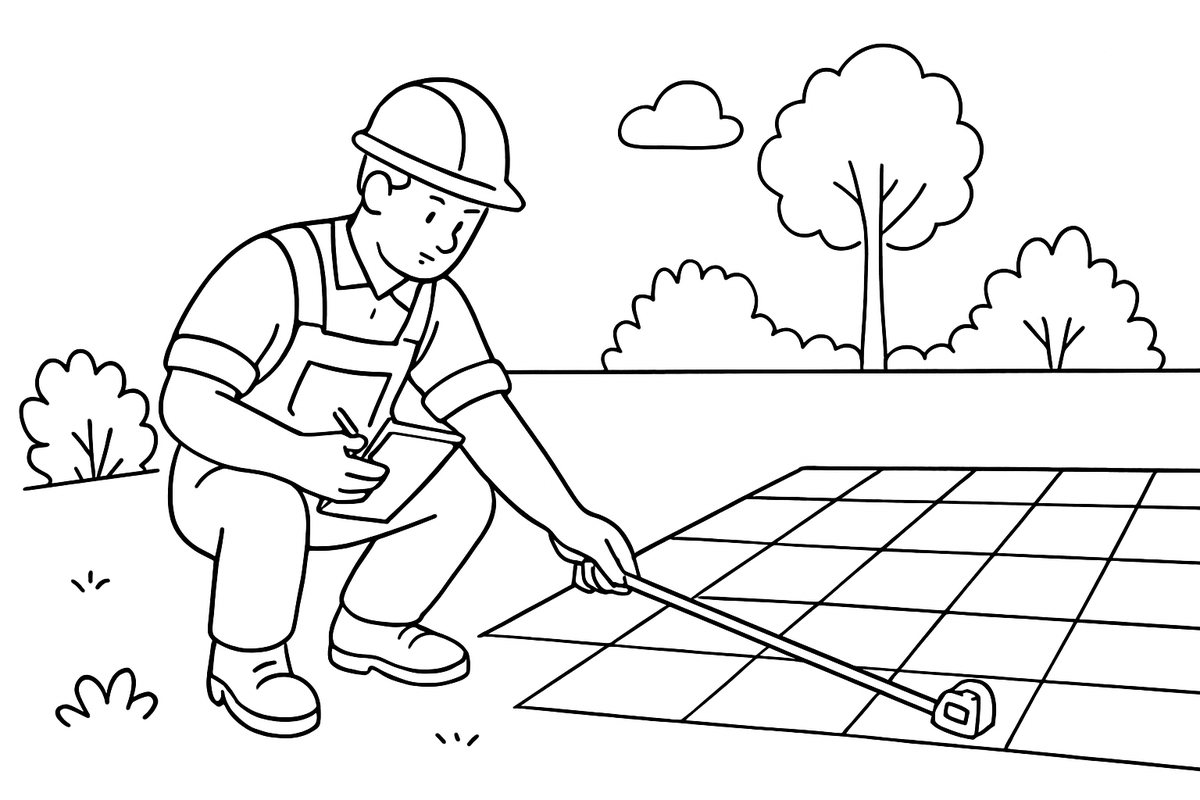
The sub-base: where cheap patios go wrong
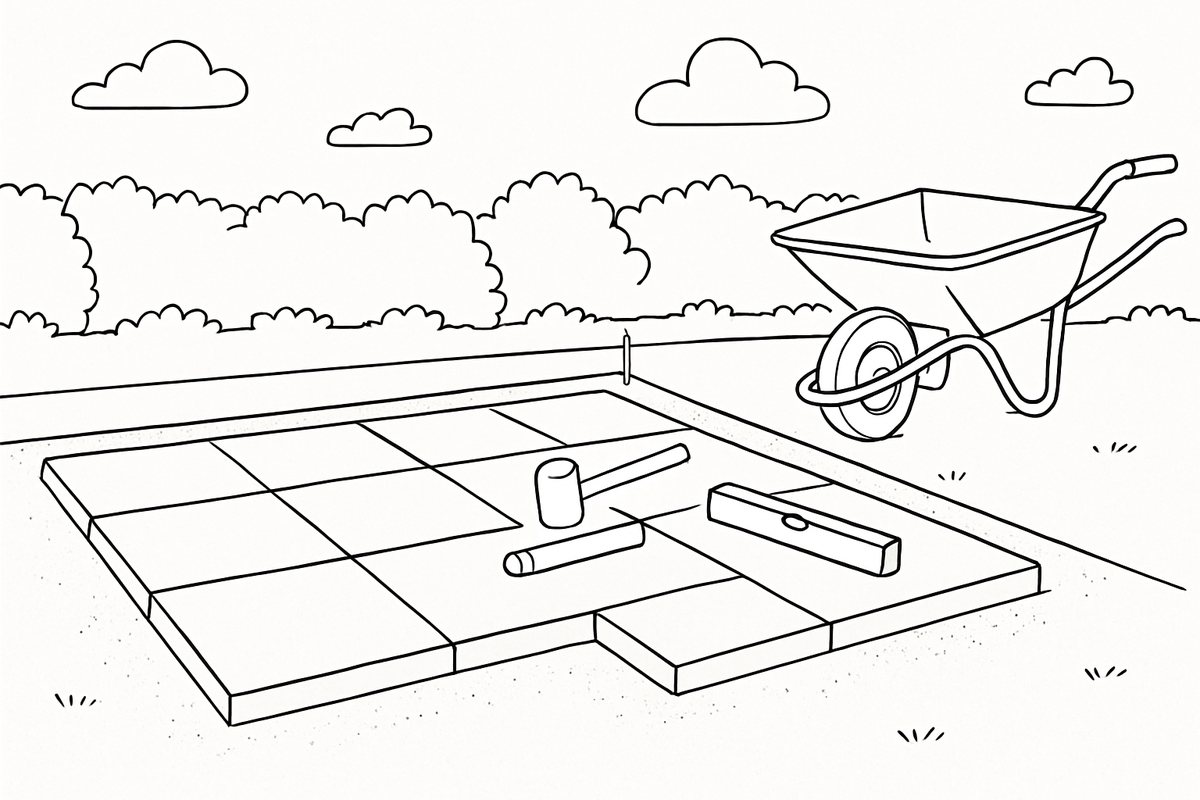
The most important part of a patio is the part you will never look at. A proper build means excavating the area, laying and compacting a solid sub-base of MOT Type 1 hardcore, then bedding each slab on a full mortar bed with the right falls for drainage. Cut corners here and the patio sinks, cracks, rocks underfoot and puddles within a season or two.
A few base essentials worth understanding when you read a quote:
- Depth matters. A patio carrying foot traffic usually wants around 100–150 mm of compacted sub-base, and more where the ground is soft, clay-heavy or previously dug over.
- A full mortar bed, not spot-bedding. Slabs dropped onto five dabs of mortar leave hollow voids that hold water and crack. A solid, continuous bed is the method that lasts.
- Falls and drainage. The surface should slope gently away from the house, in the region of a 1:60 to 1:80 fall, so rain runs off rather than pooling or heading towards the walls.
Conditions you can't see until the spade goes in are the classic reason a final bill overtakes the estimate. Tree roots, buried concrete, made-up ground or a high water table all add work. A reputable installer flags these risks at the quoting stage rather than springing them on you later.
The extras that add to your patio cost
Beyond slabs, labour and base, a handful of extras turn up on many quotes. None are hidden once you know to ask:
- Groundworks and excavation — clearing turf, digging out and levelling, especially on a sloping or overgrown plot.
- Drainage — a channel drain (aco) along the house wall, or a soakaway, where surface water needs somewhere to go.
- Steps and retaining — a change of level calls for steps or a low retaining wall, adding materials and time.
- Edging and borders — a mortared edge or contrasting border neatens the perimeter and stops slabs creeping.
- Sealing — optional on most stone and largely unnecessary on porcelain, though some homeowners still choose it. Our guide on how to seal a patio and block paving explains when it earns its keep.
- Lighting and power — recessed ground lights or an outdoor socket usually mean an electrician, priced separately.
Do you need planning permission for a patio?
For most domestic patios laid at ground level in a back garden, planning permission is not required, as the work generally sits within permitted development. There are exceptions worth checking first, though. Raised patios and terraces, listed buildings, conservation areas, and any scheme where a large area of front garden would drain onto the road can all trigger permission or drainage rules.
If there is any doubt, a quick call to your local authority's planning department settles it. A good local installer who knows the ground, for example around Cambridge and East Anglia, can usually tell you early on whether your plans are likely to need consent.
DIY versus hiring a professional
Laying a patio yourself can shave a lot off the total, precisely because labour is such a large share of it. If you are fit, patient and paying only for materials and skip hire, a modest patio is a realistic DIY project and the surest route to keeping a small job genuinely cheap.
That said, be honest about what is involved. Patio-laying is heavy, skilled work: excavating and carting away spoil, compacting a sub-base, mixing and laying mortar, setting the falls for drainage, and cutting slabs cleanly. Mistakes are dear to undo. A patio that ponds water, lifts in frost or settles unevenly often has to be taken up and relaid, which costs more than doing it right the first time.
As a rough rule: a small, flat, simply shaped patio in easy-to-lay slabs is a fair DIY candidate. Anything with porcelain, level changes, poor drainage, tricky access or a large area is usually better left to a professional. If you want to see how the build is done step by step before you decide, our guide on how to lay a patio walks through the whole process.
How to save money on a patio (without cutting corners)
There are sensible ways to trim the cost that don't compromise the finished result:
- Keep the shape simple. A rectangle in one slab size wastes less material and takes far less cutting and laying than a curved or multi-size design.
- Choose a value material that suits the garden. Modern concrete and calibrated sandstone give excellent results for much less than premium porcelain, and once laid the difference is smaller than many expect.
- Right-size the area. A patio sized for a table, chairs and a little breathing room is often more usable, and cheaper, than a sprawling one you never fully use.
- Get the base right first time. The one place never to economise. A proper sub-base is the cheapest insurance against a costly relay later.
- Compare like for like. Ask each installer to spell out the material, base depth, bedding method and waste removal, so you are weighing the whole job rather than a headline number.
Getting an accurate quote
Every garden is different, so no online figure can stand in for a proper site visit. Access, ground conditions, drainage and the exact material all move the price, and a good installer weighs all of them before quoting. You can browse our full range of decking, patio and paving services to see how we approach each build.
If you would like a realistic figure for your own garden, get a free, no-obligation quote from 1st Builders Cambridge. We cover Cambridge and the wider East Anglia area, and you can reach us on 01223 912222 to talk your project through with someone who knows the local ground.
Frequently asked questions
How much does a patio cost per square metre in the UK?
As a broad guide, a fully installed patio tends to cost around £90–£250 per m², materials and labour combined. Budget concrete slabs sit near the lower end, while premium porcelain or natural stone with full groundwork sits towards the top.
What is the cheapest type of patio?
Concrete slabs are usually the cheapest option, with material typically around £15–£40 per m². Modern textured and riven-effect concrete now mimics natural stone well, so it looks far better than the plain grey slabs of the past while keeping the overall cost down.
How much does a 20 m² patio cost?
A typical 20 m² patio generally lands somewhere between £1,800 and £5,000 fully installed. The final figure depends heavily on the paving material, how much excavation and sub-base work the ground needs, access, and extras such as drainage, steps or edging.
Is porcelain paving worth the extra cost?
For many homeowners, yes. Porcelain costs more to buy and lay, but it absorbs almost no water, so it resists stains, frost and algae, holds its colour and needs little to no sealing. If you want a low-maintenance, modern finish and the budget allows, it often pays off over time.
Do I need planning permission to lay a patio?
Most ground-level domestic patios in a back garden fall within permitted development and don't need planning permission. Exceptions include raised patios and terraces, listed buildings, conservation areas, and large front-garden areas that would drain onto the road. If in doubt, check with your local authority before starting.
Can I lay a patio myself to save money?
You can, and because labour is such a large share of the cost, DIY saves a fair amount on a small, flat, simply shaped patio. But it is heavy, skilled work: excavation, compacting the sub-base, laying a full mortar bed and setting the drainage falls. Larger areas, porcelain, level changes or poor drainage are usually best left to a professional.